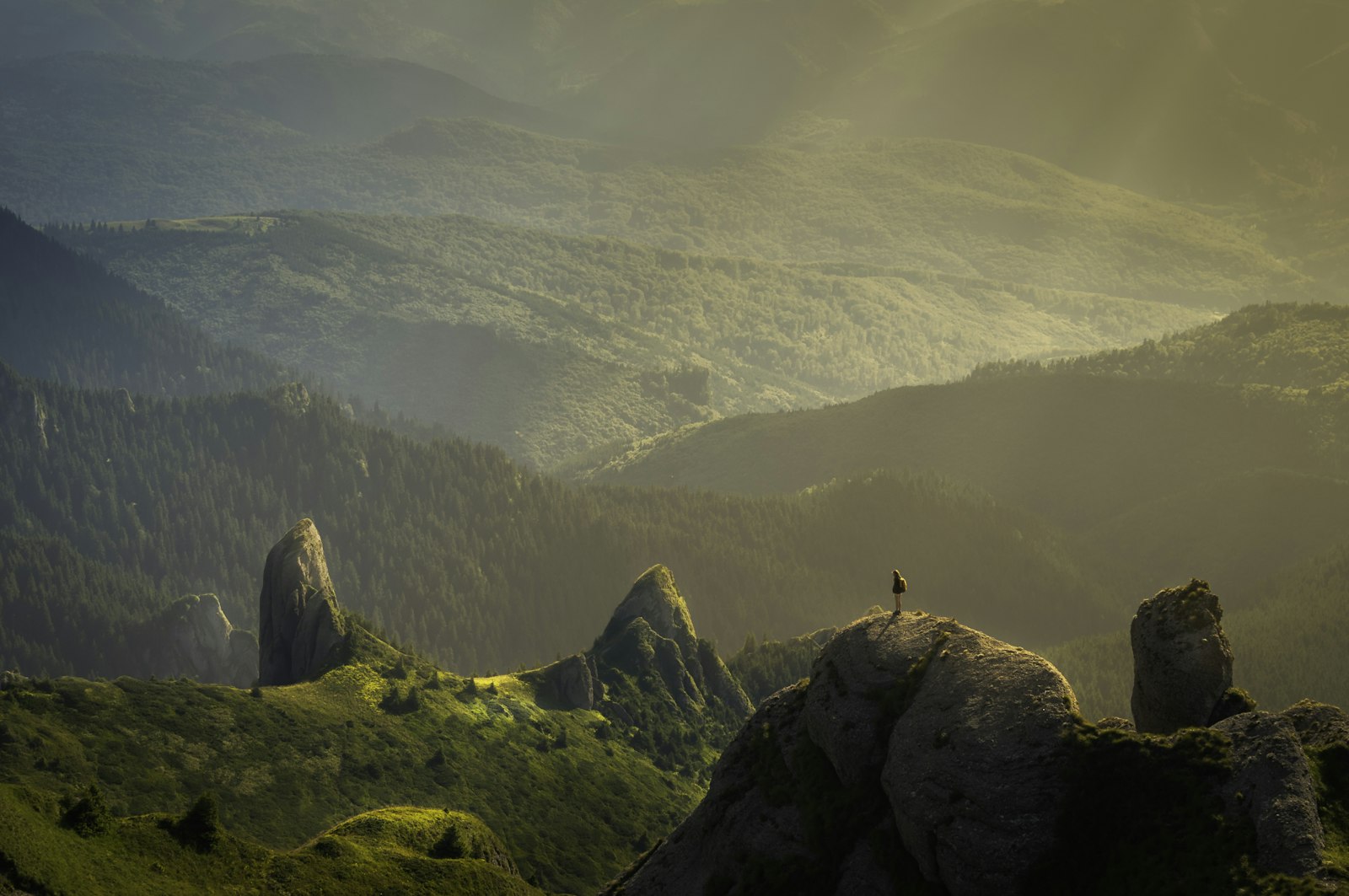
A clear, first-timer-friendly Nepal travel guide covering visas, transport, money, culture, safety, and a simple 7-day starter itinerary.
Start here if this is your first Nepal trip
This Nepal travel guide for first-time visitors is built for clarity. Nepal can feel intense at first, but planning the basics makes the rest of the trip easy and enjoyable. Focus on entry requirements, realistic travel times, and the two main hubs: Kathmandu and Pokhara.
If you can only visit once, plan a simple loop that mixes culture, mountains, and a few activities. You can always come back for longer treks later.
Visa and entry basics
Most travelers can get a visa on arrival at Tribhuvan International Airport or major land borders. You will need a passport valid for at least six months, a digital photo, and cash in USD for the visa fee.
If you want a smoother arrival, you can apply online in advance. Either way, confirm current rules before you fly.
Kathmandu and Pokhara are the ideal bases
Kathmandu is your entry point and the cultural heart of the country. Spend two to three days here for temples, heritage squares, and food walks. Pokhara is the adventure hub with a calmer vibe and lake views.
Most first-time visitors split their time between the two cities. Add Chitwan for wildlife if you have extra days.
Getting around Nepal
Domestic flights save time but can be delayed by weather. Tourist buses are safer and more comfortable than local buses for long routes. Private cars are the easiest option for groups or tight schedules.
Plan travel days realistically. A 200 km drive can take six to eight hours on mountain roads, so do not overload your schedule.
Money, SIM cards, and payments
Carry cash for day-to-day expenses. ATMs are common in cities but can be unreliable in rural areas. Keep small bills for taxis, meals, and tips.
Local SIM cards are cheap and easy to buy with a passport. Data works well in most cities and many trekking towns, but expect gaps in high mountain regions.
Culture and etiquette
Dress modestly at religious sites, remove shoes before entering temples, and ask before taking close-up photos of people. A simple greeting like Namaste goes a long way.
Nepal is friendly and welcoming. Respecting local customs will make your experience smoother and more meaningful.
Health and safety basics
Tap water is not safe to drink. Use filtered or bottled water, and carry rehydration salts if you are sensitive. In cities, mask up if you are sensitive to dust or air pollution.
For higher altitude trips, acclimatize properly and listen to your body. It is better to go slowly than to rush and get sick.
Sample 7-day starter itinerary
- Day 1: Arrive Kathmandu, rest and light neighborhood walk.
- Day 2: Kathmandu heritage sites and a local food tour.
- Day 3: Bhaktapur or Patan day trip.
- Day 4: Travel to Pokhara, lakeside sunset.
- Day 5: Adventure activity like paragliding or hiking.
- Day 6: Short hike or cultural experience in Pokhara.
- Day 7: Return to Kathmandu and fly out.
Plan your first Nepal experiences
Explore verified activities and build a simple, safe itinerary.
Sita Gurung
Local Travel Writer
Sita writes practical travel guides focused on experiences, food, and budget-friendly itineraries across Nepal.


